
Understanding inflation is crucial for anyone living in a particular economy. It impacts your purchasing power, the cost of living, and overall financial well-being. This article delves into Israel’s inflation rate, exploring recent trends, key drivers, and what it means for consumers.
Israel’s inflation rate has been a topic of much discussion in recent months. While initial estimates predicted a rise in May 2024, the actual figure held steady at 2.8%, defying market expectations. This stability might seem positive, but let’s dissect the details to gain a clearer picture.
What’s Getting More Expensive?
The Israeli Central Bureau of Statistics tracks price changes across a range of goods and services, creating a Consumer Price Index (CPI) that reflects the overall inflation rate. This index assigns weights to different categories based on their significance in household spending.
Let’s take a closer look at some key areas:
1. Food

This basket, encompassing everything from vegetables and fruits to processed goods, witnessed a price increase of 4.5% in May 2024 compared to 3.7% the previous month. This uptick could be attributed to factors like global supply chain disruptions or seasonal variations in agricultural yields.
2. Housing
While housing inflation has shown a slight deceleration (2.6% in May 2024 compared to 2.7% in April 2024), it remains a significant contributor to the overall Israel inflation rate. This trend is particularly relevant for renters and those aspiring to buy a home.
A Glimpse into Other Categories
The CPI also tracks price movements in other areas like transportation, education, and healthcare. While transportation costs saw a slowdown (2.4% in May 2024 compared to a sharper 4.2% in April 2024), healthcare inflation continues on a steady climb (3% in May 2024 compared to 2.9% in April 2024).
The Bank of Israel’s Response
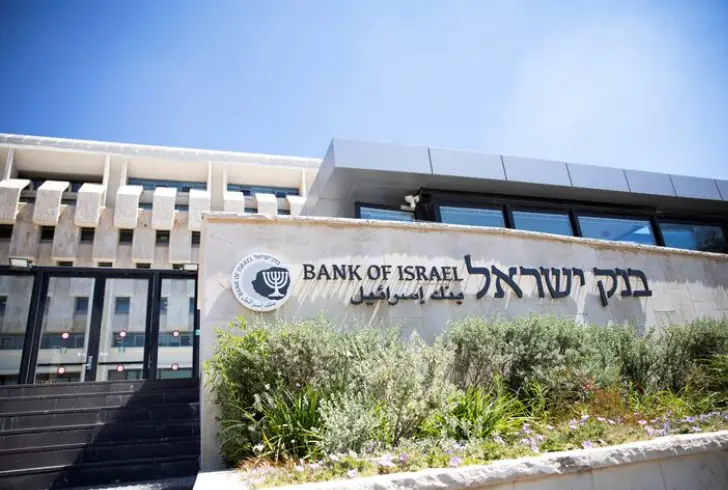
The Bank of Israel, the country’s central bank, plays a crucial role in managing inflation. By adjusting interest rates, they aim to strike a balance between stimulating economic growth and curbing price increases.
In May 2024, despite the seemingly stable Israel inflation rate, the Bank of Israel opted to maintain the interest rate at 4.5%. This decision reflects their ongoing assessment of inflationary pressures and their commitment to keeping prices under control.
Impact of Israel’s Inflation Rate on Everyday Life
While statistics provide a valuable framework, it’s the impact on everyday life that truly matters. An inflation rate of 2.8% might seem manageable on paper, but for individuals and families, it can translate to tighter budgets and adjustments in spending habits. Groceries costing a bit more each month, transportation expenses chipping away at savings – these seemingly small changes can add up over time.
What Does the Future Hold?

Predicting the future trajectory of the Israel inflation rate is an ongoing challenge. Global factors like geopolitical tensions and energy price fluctuations can introduce unforeseen variables. However, the Bank of Israel’s proactive approach and ongoing monitoring provide a sense of stability.
By staying informed and making informed financial decisions, Israelis can navigate this economic climate effectively. This breakdown has hopefully shed some light on Israel’s inflation rate, empowering you to make informed choices and approach the future with confidence.